Dry, Itchy Skin? How to Manage Eczema as the Weather Gets Colder
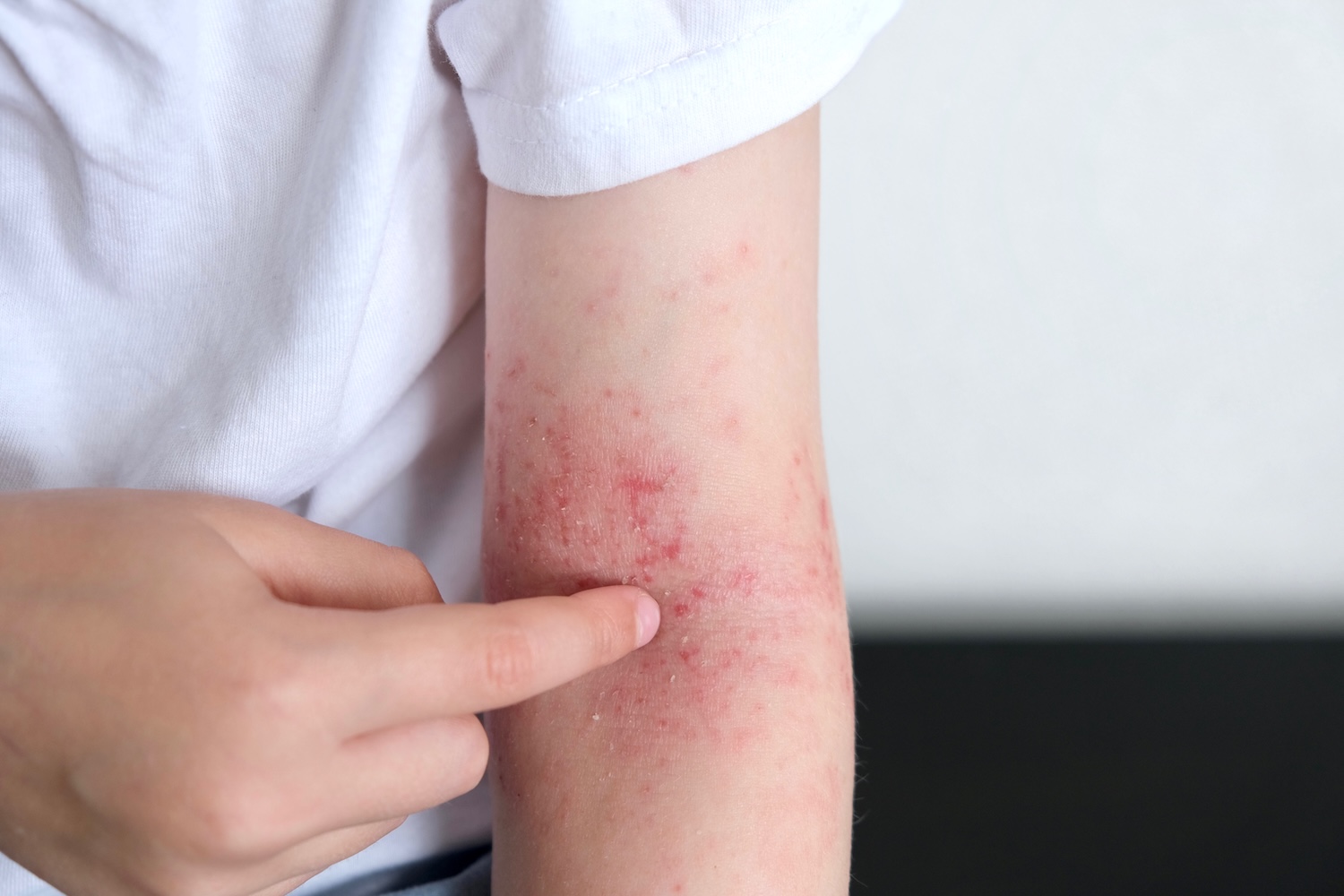
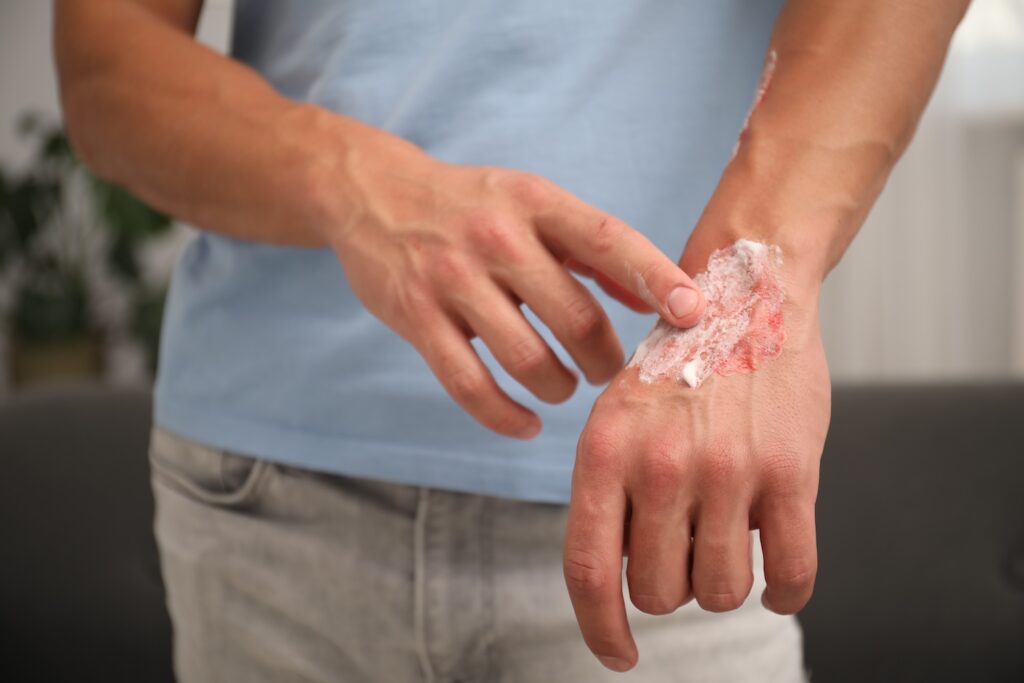
The furnace is on, the sweaters are out & suddenly your skin has something to complain about.
As temperatures drop across Niagara, dry, itchy skin can become an unwelcome part of the season. For people living with eczema, colder weather & indoor heating can make it harder to keep flare-ups under control.
The good news? A few changes to your daily routine can help and your Boggio pharmacist can help you understand your treatment options.
Why does eczema flare up in colder weather?
Cold outdoor air & dry indoor heat can leave skin feeling uncomfortable. For people with eczema, whose skin barrier already has difficulty retaining moisture, this can mean more dryness, irritation & itching.
Even the things we reach for to get comfortable, like a long hot shower or a scratchy wool sweater, can make symptoms worse.
Give your skin a gentler daily routine
Managing eczema doesn’t have to mean filling your bathroom with products. Start with a few consistent habits.
Choose a richer, fragrance-free moisturizer. A cream or ointment is often a better choice than a lighter lotion. Apply it after bathing & whenever your skin feels dry. Look for “fragrance-free” on the label; “unscented” products may still contain ingredients that mask fragrance.
Keep showers short & comfortably warm. Aim for about five to ten minutes rather than a long, hot soak. Gently pat your skin dry & apply moisturizer while it is still slightly damp. If you use prescribed treatments, follow your healthcare provider’s directions for applying them.
Make clothing comfortable. Soft, loose-fitting cotton next to your skin can help reduce irritation. Avoid wool directly against sensitive areas, and choose fragrance-free, dye-free laundry detergent.
Watch for your own triggers. Take note of products, fabrics or overheating that seem to make your skin itch. Triggers vary, so a routine that works for someone else may need adjusting for you.
What if moisturizer isn’t enough?
Moisturizer is an important part of eczema care, but an active flare may also need medication to control inflammation & itching.
The right treatment depends on factors such as your age, where the eczema appears & how severe it is. A treatment suitable for one person, or one area of the body, may not be appropriate for another.
If you already have a prescribed treatment, use it as directed. If your symptoms are not improving, ask for a reassessment rather than continuing to switch products on your own.
The Eczema Society of Canada’s treatment guide offers helpful information about moisturizers, medications & managing ongoing symptoms.
How can your Boggio pharmacist help?
Eczema is included within dermatitis, one of the conditions covered by Ontario’s minor ailments prescribing scope. Boggio offers minor ailments assessments to help you determine an appropriate next step.
Your pharmacist can assess your symptoms, discuss skin care & treatment options, and prescribe medication when appropriate. If your symptoms need care beyond the pharmacy, they can recommend further assessment.
Not every itchy rash is eczema, and not every assessment leads to a prescription. Getting advice can help you avoid spending another week guessing in the skin care aisle.
Get comfortable in your skin this season
You don’t have to simply put up with irritated skin until spring. Whether you’re managing a familiar flare or wondering what to do about a new rash, start with a conversation.
Contact your nearest Boggio location or visit our Minor Ailments Assessment page to learn about arranging an assessment.
Our team is here to help you find a practical next step toward more comfortable skin.
Disclaimer: The information provided in this blog is for educational purposes only and should not be considered as medical advice. Consult with a healthcare professional for personalized health recommendations.





 Ontario College of Pharmacist Accreditation #15099