Spring Allergies Sneaking Up on You? Your Boggio Pharmacist Can Help
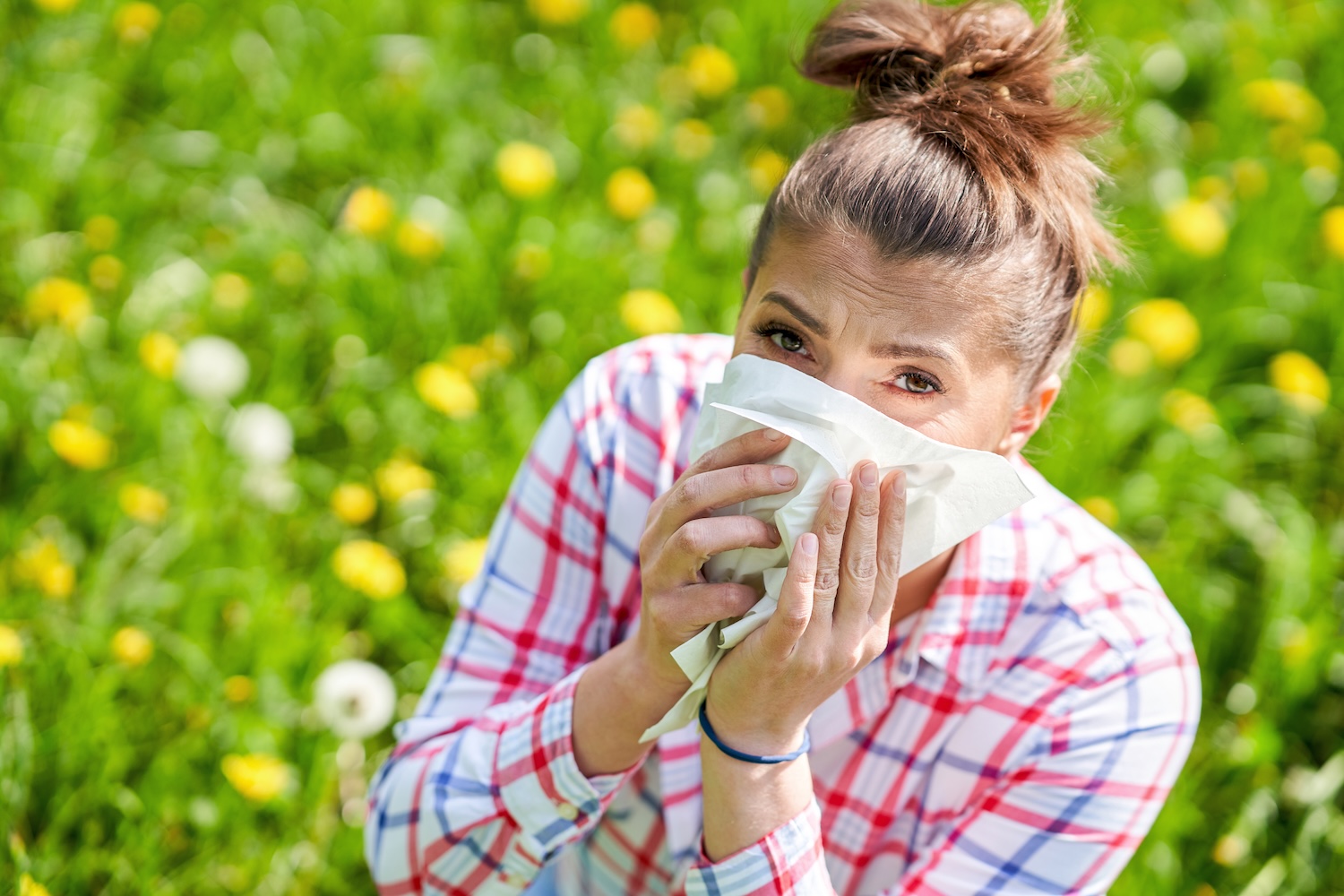

Spring has a way of looking cheerful while quietly launching pollen into your face.
If you’re dealing with sneezing, a runny or stuffy nose, itchy eyes, or that “why do I feel like I’ve been ambushed by a flower bed?” feeling, seasonal allergies may be the culprit. Also called allergic rhinitis or hay fever, this common springtime condition happens when your immune system overreacts to allergens such as pollen. Tree pollen is often one of the first major triggers to show up in Canada each spring.
The good news: you may not need to tough it out, guess your way through the pharmacy aisle, or wait weeks for help. Boggio Family of Pharmacies offers Minor Ailments Assessments for allergic rhinitis, which means a pharmacist may be able to assess your symptoms and recommend or prescribe appropriate treatment.
What are seasonal allergies?
Seasonal allergies happen when your body reacts to airborne allergens such as pollen. In spring, tree pollen tends to be a major trigger. The result can be inflammation in the nose and eyes that leaves you congested, sneezy, itchy, watery-eyed, and generally unimpressed with the outdoors.
Common symptoms of allergic rhinitis
Seasonal allergies can look a little different from person to person, but common symptoms include:
- Sneezing
- Runny nose
- Nasal congestion
- Itchy nose or throat
- Watery, red, or itchy eyes
- Post-nasal drip
- Trouble sleeping because of congestion
Unlike a cold, allergies do not cause a fever, and symptoms often persist as long as you’re being exposed to the trigger.
Allergy or cold? Here’s a simple way to tell
This is where things get delightfully annoying: colds and allergies can overlap.
A cold is more likely to come with a sore throat, body aches, or fever and usually clears up within a week or two. Allergies are more likely to cause itchy eyes, repeated sneezing, and symptoms that flare up outdoors or on high-pollen days. If your nose seems to panic every time spring arrives, allergies move way up the suspect list.
How a Boggio pharmacist can help
Choosing an allergy product can be weirdly complicated. Nasal sprays, antihistamines, decongestants, eye drops… the shelf can start to look like a chemistry final.
A Boggio pharmacist can assess your symptoms and help determine what makes sense for you. For allergic rhinitis, common treatment approaches may include nasal corticosteroid sprays, antihistamines, and other options depending on your symptoms and health history. Pharmacists can also help you avoid treatments that may not be the best fit, especially if you have other medical conditions or take other medications.
A few ways to reduce spring allergy symptoms
Medication can help, but so can cutting down your pollen exposure. A few practical moves:
- Keep windows closed on high-pollen days
- Shower and change clothes after being outdoors
- Wash bedding regularly
- Use air conditioning or good filtration when possible
- Try to avoid outdoor yard work when pollen is high
Tiny habits, less tiny misery.
When to speak to a pharmacist
You should talk to a pharmacist if:
- Your symptoms are making it hard to sleep or function normally
- You are not sure whether it’s allergies or something else
- Over-the-counter products are not working
- You are pregnant, have other health conditions, or take multiple medications
- You want advice on the best treatment for your symptoms
Boggio pharmacists can help you sort through symptoms, recommend next steps, and determine whether treatment for a minor ailment is appropriate.
Get help for spring allergies at Boggio Family of Pharmacies
Spring should mean fresh air, longer days, and maybe a little less personal conflict with pollen.
If seasonal allergies are getting in the way, Boggio Family of Pharmacies can assess and help treat allergic rhinitis through its Minor Ailments Assessment service. Book with your preferred location and get support from a pharmacist who can help you find relief.
Disclaimer: The information provided in this blog is for educational purposes only and should not be considered as medical advice. Consult with a healthcare professional for personalized health recommendations.




 Ontario College of Pharmacist Accreditation #15099